
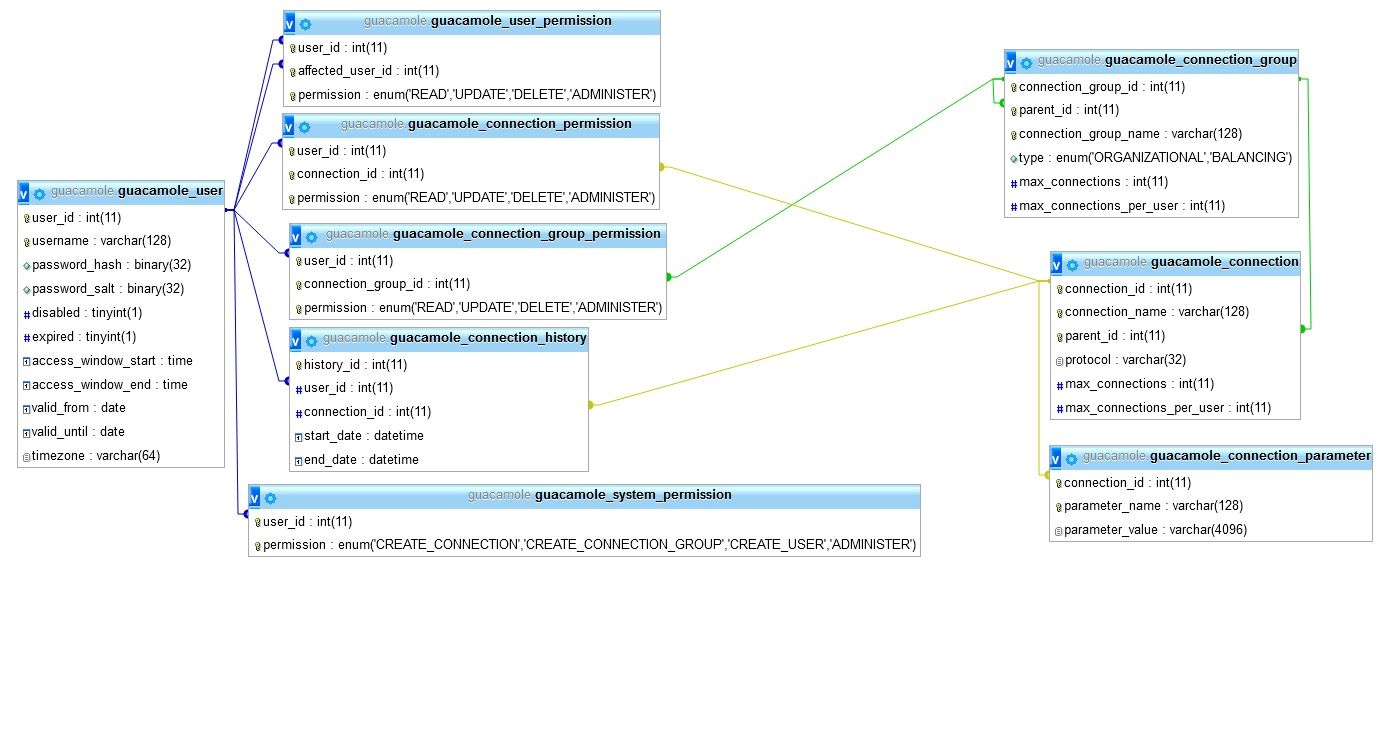
Cuando se trabaja con bases de datos en MySQL, se pueden encontrar situaciones en donde sea necesario eliminar el contenido de una tabla. A diferencia de la instrucción DELETE, la instrucción TRUNCATE ofrece una forma más rápida para llevar a cabo esta tarea. Sin embargo, si la tabla que se desea truncar tiene restricciones de clave externa (foreign key constraints), se pueden presentar problemas al intentar llevar a cabo dicha operación. Por esto, en este artículo se abordará cómo ejecutar la instrucción TRUNCATE en una tabla que cuenta con estas restricciones y cómo solucionar los problemas que puedan surgir para llevar a cabo esta operación de manera exitosa.
Learn the Easy Steps to Deleting a MySQL Table with a Foreign Key Constraint
If you’ve ever tried to delete a MySQL table that has a foreign key constraint, you know that it’s not as easy as just running a simple DELETE statement. A foreign key constraint is a rule that ensures that the values in a column of one table match the values in another table. This constraint prevents you from accidentally deleting records in one table that still have references in another table, which can cause data inconsistencies.
However, there are easy steps you can follow to delete a MySQL table with a foreign key constraint. The first step is to disable or drop the foreign key constraint, which you can do by using the ALTER TABLE statement. Once you’ve disabled or dropped the foreign key constraint, you can then run the DELETE statement to remove the records from the table.
If you don’t want to permanently delete the table, you can truncate the table instead. Truncating a table removes all records in the table, but it doesn’t delete the table itself or any associated foreign key constraints.
It’s important to note that when you delete a table with a foreign key constraint, you need to make sure that you also delete any related records in other tables to avoid data inconsistencies. If you’re not sure how to do this, you may want to consult with a database administrator.
Deleting a MySQL table with a foreign key constraint can be tricky, but with the right steps and precautions, you can do it without causing data problems. Remember to always backup your data before making any changes to your database.
Reflection
Deleting a table with a foreign key constraint can be a complex process, but understanding how to do it safely and correctly is an essential skill for any MySQL user. By following the easy steps and taking precautions to avoid data inconsistencies, you can confidently delete tables and keep your database running smoothly.
Deleting Data from Tables with Foreign Keys: An Essential Guide in SQL
When working on SQL databases, especially those with relationships between tables, it’s important to know how to handle deleting data from tables with foreign keys. If not done correctly, it can lead to errors and inconsistencies in the data.
The first step is to determine the type of relationship between the tables. Is it a one-to-one, one-to-many, or many-to-many relationship? This will affect how the data can be deleted.
When dealing with a one-to-one relationship, it’s typically safe to delete the data from either table without affecting the other table. However, it’s still important to double check the existence of any foreign keys.
For one-to-many relationships, deleting data from the parent table (the table on the one side of the relationship) can lead to issues if there are any associated records in the child table (the table on the many side of the relationship). In this case, the foreign key constraint should be set to CASCADE, which will delete the associated records in the child table when the parent record is deleted.
On the other hand, deleting data from the child table should not result in any issues with the parent table.
For many-to-many relationships, it’s best to use a junction table to manage the relationship. In this case, it’s important to delete the records from the junction table before deleting the records from either of the other tables.
Overall, understanding the relationships between tables and the use of foreign keys is crucial in ensuring the integrity of your data when deleting records.
So, remember to always double check your foreign key constraints before deleting any data from your SQL tables!
Mastering the Art of Managing Foreign Keys in MySQL: Expert Tips and Best Practices
La gestión adecuada de claves foráneas en MySQL es fundamental para evitar problemas de integridad de datos y mejorar el rendimiento de las consultas. Para lograr esto, es importante seguir mejores prácticas y consejos de expertos.
Uno de los primeros pasos es definir correctamente las relaciones entre las tablas y asegurarse de que las claves foráneas estén correctamente declaradas. También es importante tener en cuenta la eliminación en cascada y la actualización en cascada y entender cómo pueden afectar a la integridad de los datos.
Otro punto importante a considerar es optimizar el rendimiento de las consultas que involucran claves foráneas. Esto se puede lograr a través de la indexación adecuada de las columnas de las claves foráneas y la limitación de las consultas para minimizar la cantidad de datos que se deben buscar.
Es recomendable también evitar el uso excesivo de claves foráneas, ya que esto puede llevar a la sobrecarga del sistema. Además, se puede considerar el uso de herramientas y servicios externos para ayudar en la gestión de claves foráneas y otros aspectos de la base de datos.
En definitiva, la gestión efectiva de las claves foráneas en MySQL es crucial para garantizar la integridad de los datos y optimizar el rendimiento de las consultas. Siguiendo las mejores prácticas y consejos de expertos, los administradores de bases de datos pueden lograr un sistema eficiente y confiable.
A medida que las tecnologías de bases de datos continúan avanzando, es importante estar al tanto de las nuevas herramientas y técnicas disponibles para la gestión de claves foráneas y otras características de la base de datos. La comprensión y el uso adecuado de estas tecnologías puede ayudar a las empresas a reducir costos y mejorar la eficiencia.
En resumen, la eliminación de tablas en MySQL con restricciones de clave externa puede ser un proceso complicado que requiere precaución y conocimiento de las técnicas adecuadas. Con la ayuda de los comandos TRUNCATE TABLE y DROP TABLE, junto con el uso de la cláusula CASCADE y la eliminación de restricciones de clave externa, podemos evitar errores y asegurarnos de que nuestras bases de datos se mantengan limpias y eficientes.
Esperamos que este artículo te haya sido útil y te haya brindado un mejor conocimiento sobre cómo manejar la eliminación de tablas con restricciones de clave externa en MySQL. ¡Gracias por leer!
Hasta la próxima,
Si quieres conocer otros artículos parecidos a Truncate Table with Foreign Key Constraints in MySQL puedes visitar la categoría Programación.

Aprende mas sobre MySQL